I’ll help you create a blog post about “Do Crabs Feel Pain” following the specified guidelines. I’ll first use a web search to gather some scientific insights. Based on the research findings, I’ll craft the blog post following the specified guidelines:
The mysterious world of crustacean consciousness has long puzzled scientists, but recent groundbreaking research is shedding light on a profound question: Do crabs feel pain? Emerging scientific evidence suggests that these hard-shelled creatures may experience pain in ways we never previously imagined, challenging our understanding of animal sentience and raising critical ethical questions about how we interact with marine life.
The Scientific Breakthrough in Crab Pain Perception
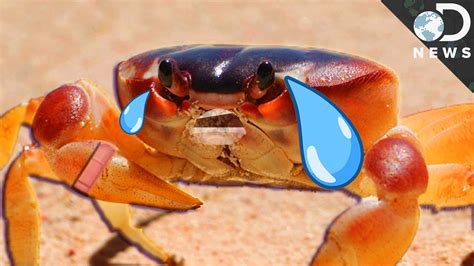
In a landmark study published in the journal Biology in November 2024, researchers from the University of Gothenburg conducted the first neurobiological investigation that provides compelling evidence of pain processing in shore crabs. Using advanced EEG-style measurements, scientists demonstrated that crabs have neural responses to painful stimuli that go far beyond simple reflexes.
The research team, led by Eleftherios Kasiouras, made several remarkable discoveries:
- Pain receptors were identified in the crabs' soft tissues
- Brain activity increased when chemical or mechanical stimuli were applied
- Different types of painful stimuli triggered distinct neural responses
How Crabs Respond to Painful Stimulation
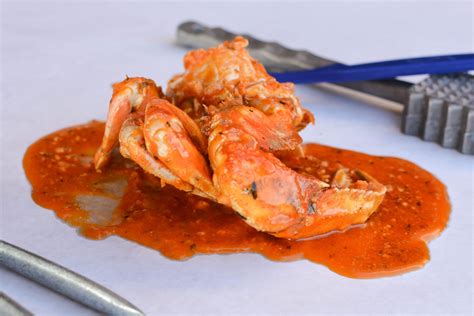
The experiments revealed fascinating insights into crab neurological responses. When researchers applied vinegar or applied pressure to various body parts, the crabs’ central nervous system showed measurable activity. Mechanical stimuli produced shorter, more powerful brain responses compared to chemical stimuli.
Dr. Lynne Sneddon, a zoophysiologist involved in the study, emphasized the significance of these findings: "We need to find less painful ways to kill shellfish if we are to continue eating them. Because now we have scientific evidence that they both experience and react to pain."
Implications for Animal Welfare
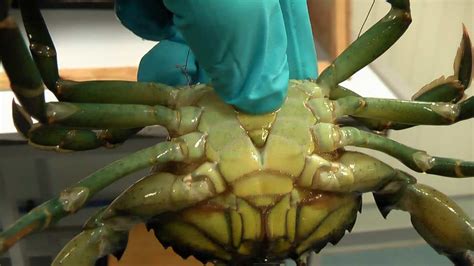
The research has profound implications for how we treat crustaceans. Currently, practices like cutting up crabs alive are legally permitted—a stark contrast to regulations protecting mammals. The United Kingdom has already recognized decapod crustaceans as sentient beings capable of experiencing pain, setting a precedent for more compassionate treatment.
| Research Finding | Significance |
|---|---|
| Neural Pain Responses | Indicates conscious pain perception |
| Distinct Stimulus Responses | Suggests complex pain processing |
| Brain Activity Measurement | Provides scientific evidence of pain |

Future Research and Ethical Considerations

While this study focused on shore crabs, researchers believe similar pain mechanisms likely exist across crustacean species. Eleftherios Kasiouras noted that crustaceans like shrimp, crayfish, and lobsters probably have comparable nervous systems capable of processing painful stimuli.
🦀 Note: The research underscores the importance of continued scientific investigation into animal consciousness and welfare.
As our understanding evolves, we may need to fundamentally rethink our interactions with these fascinating marine creatures. The evidence suggests that crabs are not just reflexive organisms, but potentially sentient beings capable of experiencing discomfort and stress.
Do crabs definitely feel pain?

+
While definitive proof is challenging, recent scientific evidence strongly suggests that crabs can process and experience pain through their nervous system.
How do scientists measure pain in crabs?

+
Researchers use methods like EEG-style brain activity measurements, observing neural responses to various stimuli, and analyzing behavioral changes in response to potentially painful experiences.
What are the ethical implications of this research?
+
The research suggests we should reconsider current practices in fishing, cooking, and handling crustaceans, potentially developing more humane methods of interaction and preparation.