
I’ll help you create a blog post about Jewish people and their connection to Israel. I’ll use the WebSearch tool to gather accurate information and ensure the content is informative and well-structured. Based on the search results, I’ll craft the blog post about Jewish people and their connection to Israel:
The Jewish people have an ancient and profound connection to the land of Israel, spanning thousands of years of continuous history, cultural identity, and spiritual significance. This deep-rooted relationship is not merely a modern political construct but a testament to a rich, complex heritage that has endured through centuries of challenges and transformations.
Origins of Jewish Presence in the Land

Ancient Israelites first emerged in the territory of modern Israel around 1000 BCE, united by a shared ancestry, mythology, and historical narrative. According to historical and biblical accounts, they traced their origins to three foundational figures: Abraham, Isaac, and Jacob. The land, known historically as Canaan and later Palestine, became the epicenter of Jewish cultural and religious life.
The Golden Age of Ancient Israel

The period between 1010 and 931 BCE represents what historians call the “Golden Age” of ancient Israel. During this time, King David established Jerusalem as the capital, and his son King Solomon constructed the first great Temple in 957 BCE. This era marked a significant moment of political and cultural consolidation for the Jewish people.
Challenges and Diaspora
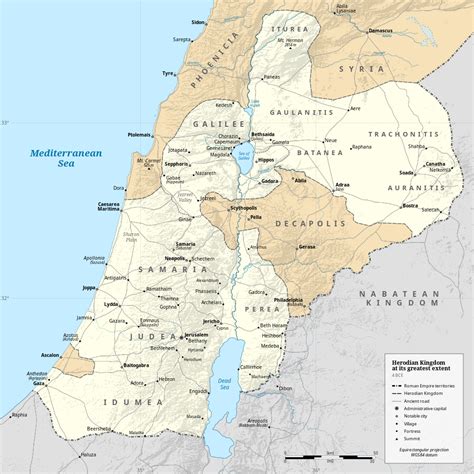
Despite facing numerous challenges, the Jewish connection to the land remained unbroken. In 722 BCE, the Assyrian Empire conquered the northern tribes, and in 586 BCE, the Babylonian Empire exiled many Jews from the kingdom of Judea. However, even during these periods of displacement, Jewish communities maintained a continuous presence in the land.
Preservation of Cultural Identity

Throughout their history, Jews preserved their unique cultural markers, including:
- Male infant circumcision on the eighth day after birth
- Observance of the Sabbath as a day of rest
- Distinctive dietary laws (kashrut), such as avoiding pork and mixing meat and dairy
Modern Reconnection

The 19th century saw the emergence of Zionism, a national liberation movement that sought to reestablish a Jewish homeland. This movement was driven by growing antisemitism in Europe and a centuries-old longing to return to their ancestral land. Small groups of Zionist pioneers began returning to Israel, joining the existing Jewish communities.
Contemporary Demographic Landscape

Today, Israel represents a diverse Jewish population. According to recent data, 75% of Israeli Jews are Sabras (Israeli-born), with the remaining 25% comprising immigrants from various parts of the world. The Law of Return, enacted in 1950, ensures that all Jews have the right to settle in Israel, reflecting the enduring connection between the Jewish people and their historical homeland.
When did Jews first settle in Israel?

+
Ancient Israelites first emerged around 1000 BCE, with a continuous presence in the land throughout history, despite periods of exile and displacement.
What is the Law of Return?

+
The Law of Return is an Israeli legislation that grants all Jews and those of Jewish lineage the right to gain Israeli citizenship and settle in Israel, enacted in 1950.
How many Jews currently live in Israel?

+
As of recent data, approximately 5.7 million Jews live in Israel, with 75% being Israeli-born (Sabras) and 25% being immigrants from various parts of the world.
🌍 Note: The Jewish connection to Israel is a complex historical narrative that continues to evolve, representing a profound story of cultural resilience and historical continuity.