
I’ll help you create a blog post about the Liberation of Auschwitz Concentration Camp. I’ll first use a web search to gather accurate historical information. Based on the search results, I’ll craft the blog post about the Liberation of Auschwitz Concentration Camp:
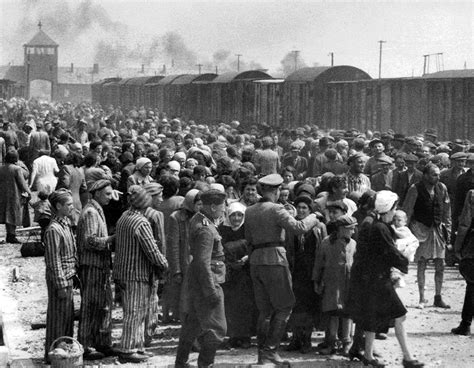
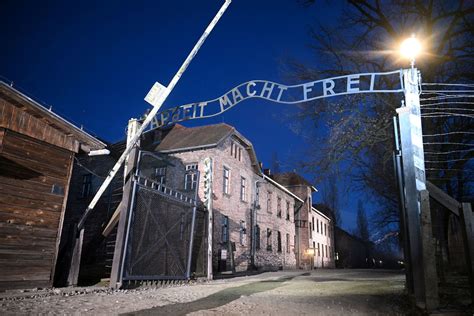
On January 27, 1945, the Soviet Red Army liberated Auschwitz concentration camp, revealing to the world the unimaginable horrors of Nazi genocide. The liberation marked a pivotal moment in human history, exposing the systematic murder of over 1.1 million people, predominantly European Jews, during the Holocaust.
The Concentration Camp Complex
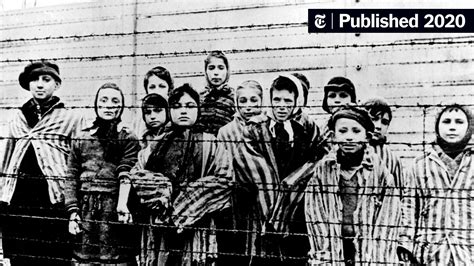
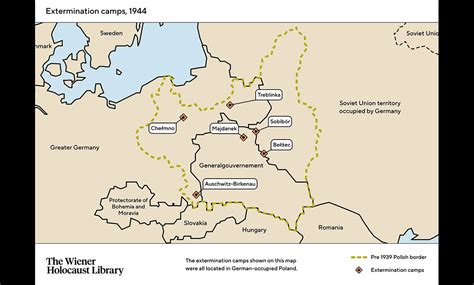
Auschwitz was not a single camp but a complex of multiple sites located in occupied Poland. The network included: - Auschwitz I: The main camp - Auschwitz II-Birkenau: The primary extermination center - Auschwitz III-Monowitz: A labor camp - 40 additional satellite camps
The camp complex was a massive machinery of death, designed to implement the Nazi regime’s “Final Solution.” Between 1940 and 1945, approximately 1.3 million people were deported to Auschwitz, with more than 1.1 million murdered.
The Soviet Advance

As the Soviet Red Army approached, the Nazi SS attempted to destroy evidence of their atrocities. They: - Forced nearly 60,000 prisoners on brutal death marches - Destroyed crematoria - Burned warehouses - Attempted to eliminate witnesses
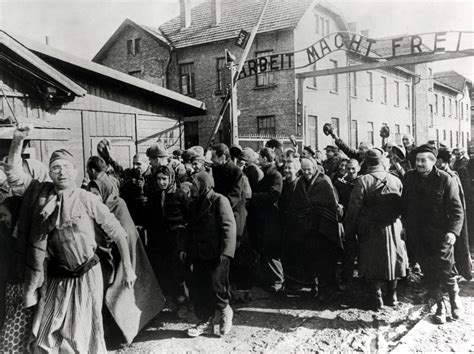
On January 27, 1945, at 3:00 PM, soldiers from the 322nd Rifle Division entered the camp. 231 Soviet soldiers died during the liberation fighting around Monowitz, Birkenau, and Auschwitz I.
Shocking Discoveries
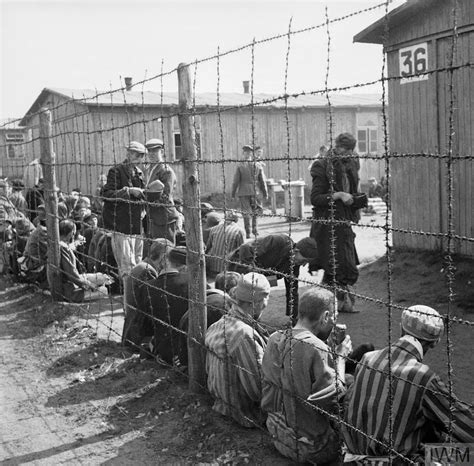
When Soviet troops arrived, they discovered: - Approximately 7,000 survivors, most critically ill - 648 corpses - Six warehouses filled with: - 370,000 men’s suits - 837,000 women’s clothing items - Seven tonnes of human hair
Survivor Testimonies
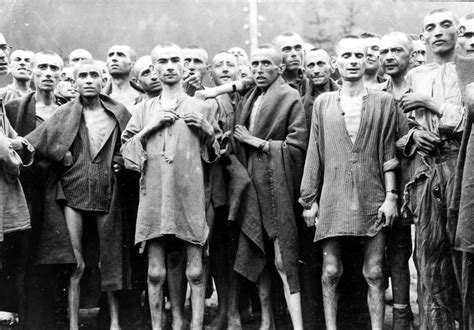
Red Army soldiers were profoundly shocked by the camp’s conditions. General Vasily Petrenko remarked, “I who saw people dying every day was shocked by the Nazis’ indescribable hatred toward the inmates who had turned into living skeletons.”
Immediate Aftermath
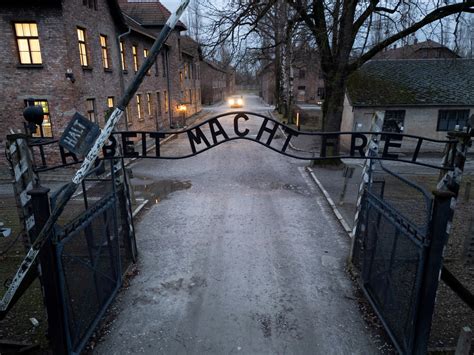
Soviet medical teams immediately began: - Organizing medical care - Providing food - Documenting the camp’s conditions - Caring for 4,500 survivors in field hospitals
Historical Significance
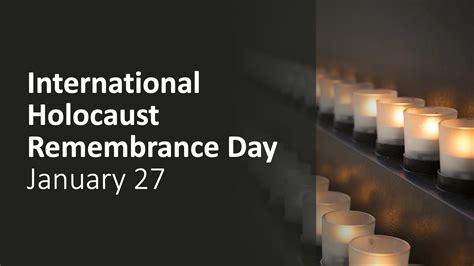
The liberation of Auschwitz became a powerful symbol of human resilience and the defeat of Nazi barbarism. January 27 is now recognized globally as International Holocaust Remembrance Day, ensuring that the world never forgets these atrocities.
How many people were killed at Auschwitz?
+
Approximately 1.1 million people were murdered at Auschwitz, primarily European Jews, between 1940 and 1945.
Who liberated Auschwitz?
+
The Soviet Red Army's 322nd Rifle Division liberated Auschwitz on January 27, 1945.
What happened to survivors after liberation?
+
Soviet medical teams provided care, food, and support. 4,500 survivors were initially treated in Red Army hospitals, with some remaining at the camp until June 1945 due to their weakened condition.
📖 Note: This account serves as a memorial to the victims and a reminder of the importance of combating hatred, discrimination, and genocide.